DiscoverPordenone
ART, CULTURE AND NATURE IN THE HEART OF FRIULI
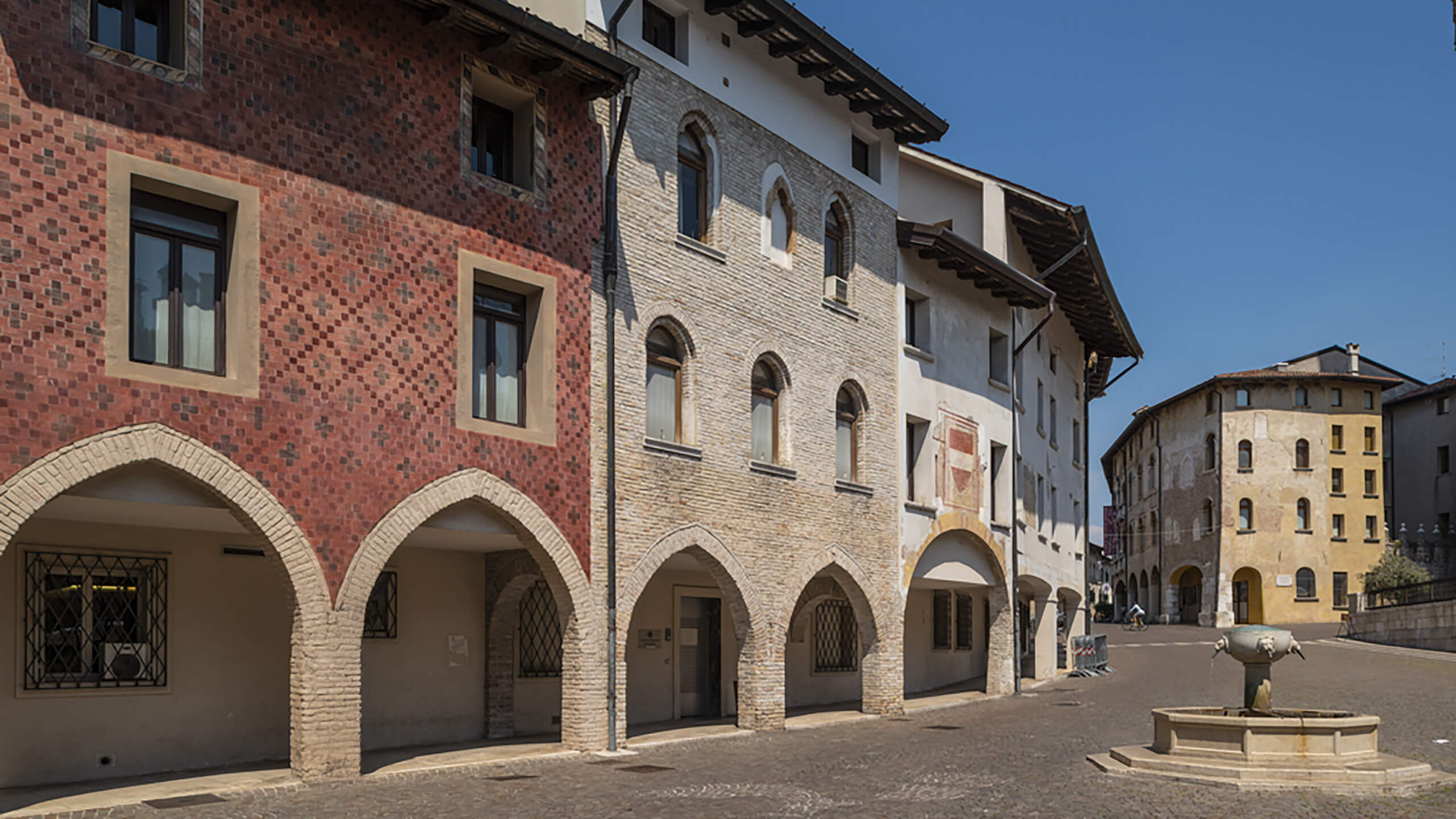
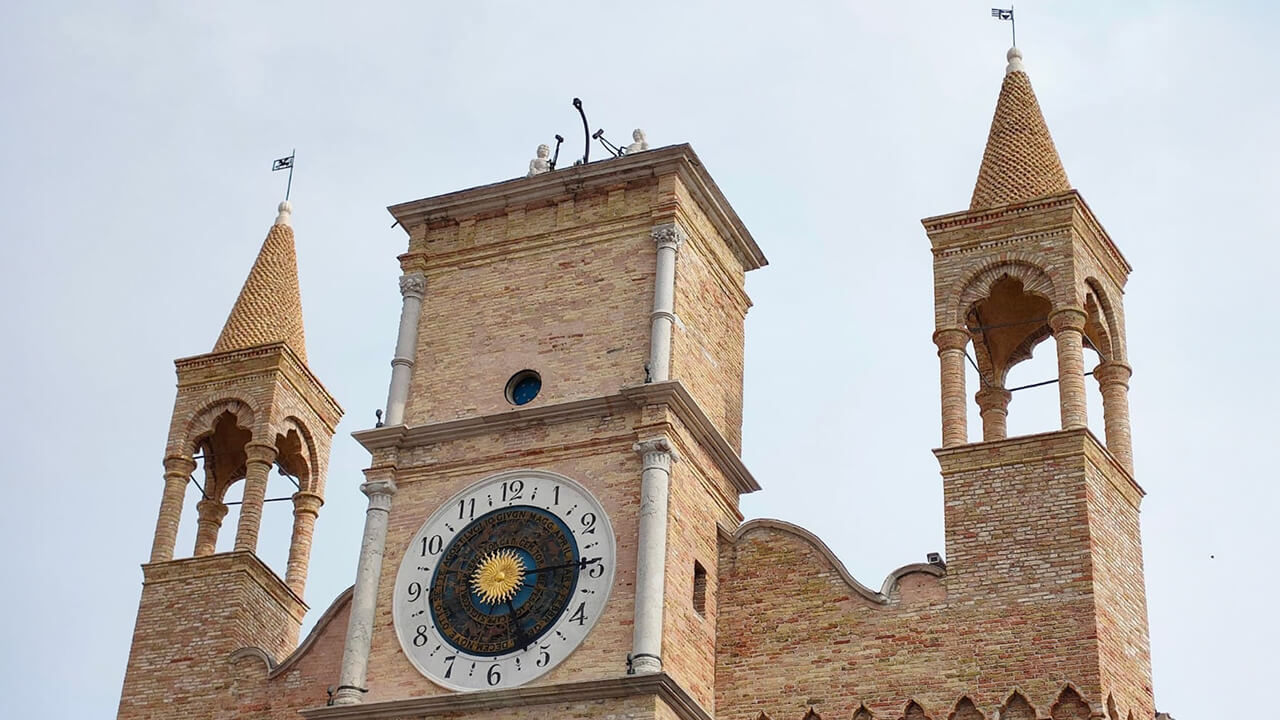
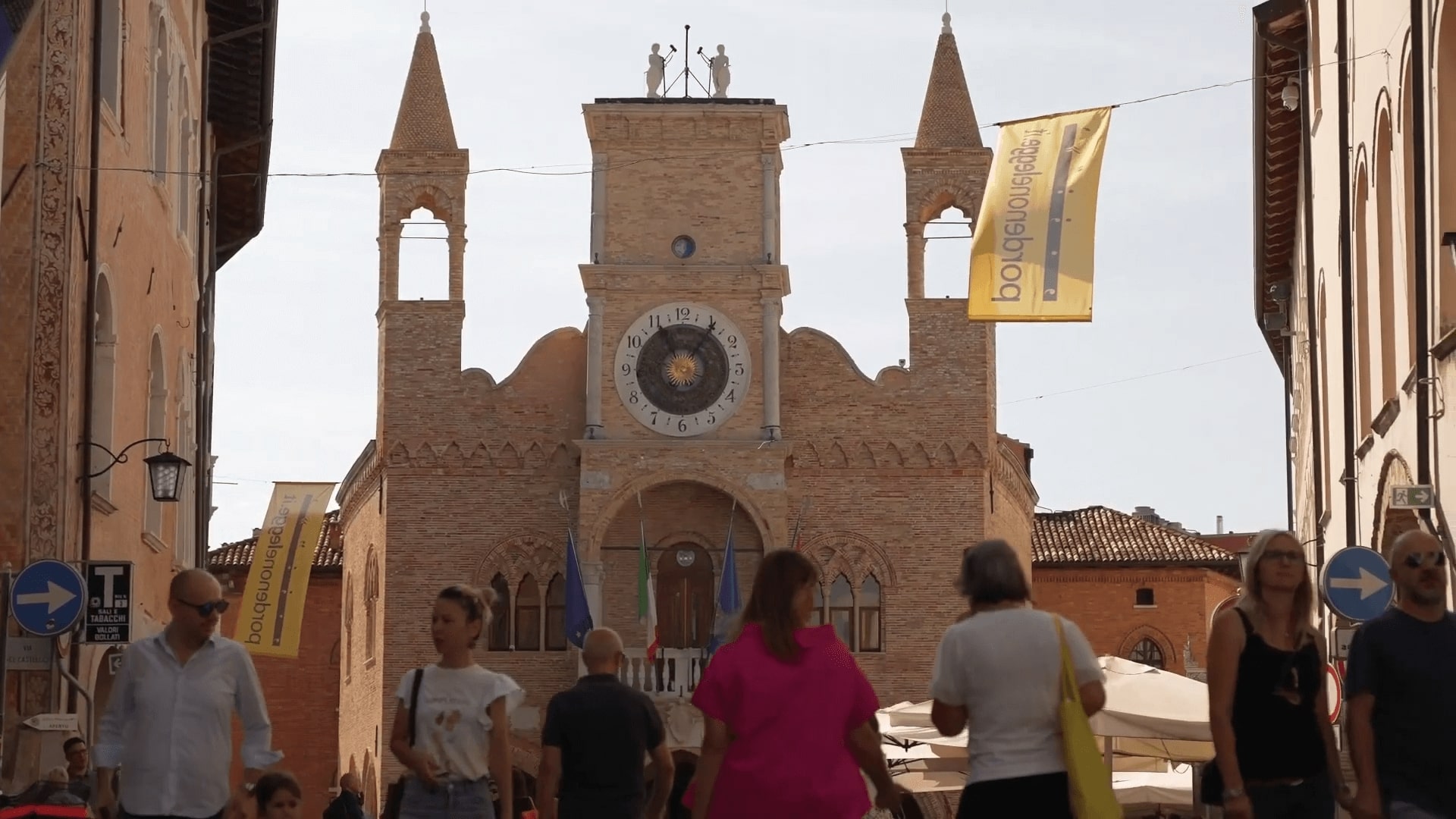
Pordenone is a city that surprises: elegant in its historic center, yet lively in spirit. Among frescoed palazzi, Renaissance arcades and bustling piazzas, strolling through town blends seamlessly with local bars, shops and regional flavors, while two large parks offer green, open space just steps from the city’s heart. It’s a city built to a human scale, where time moves a little slower.
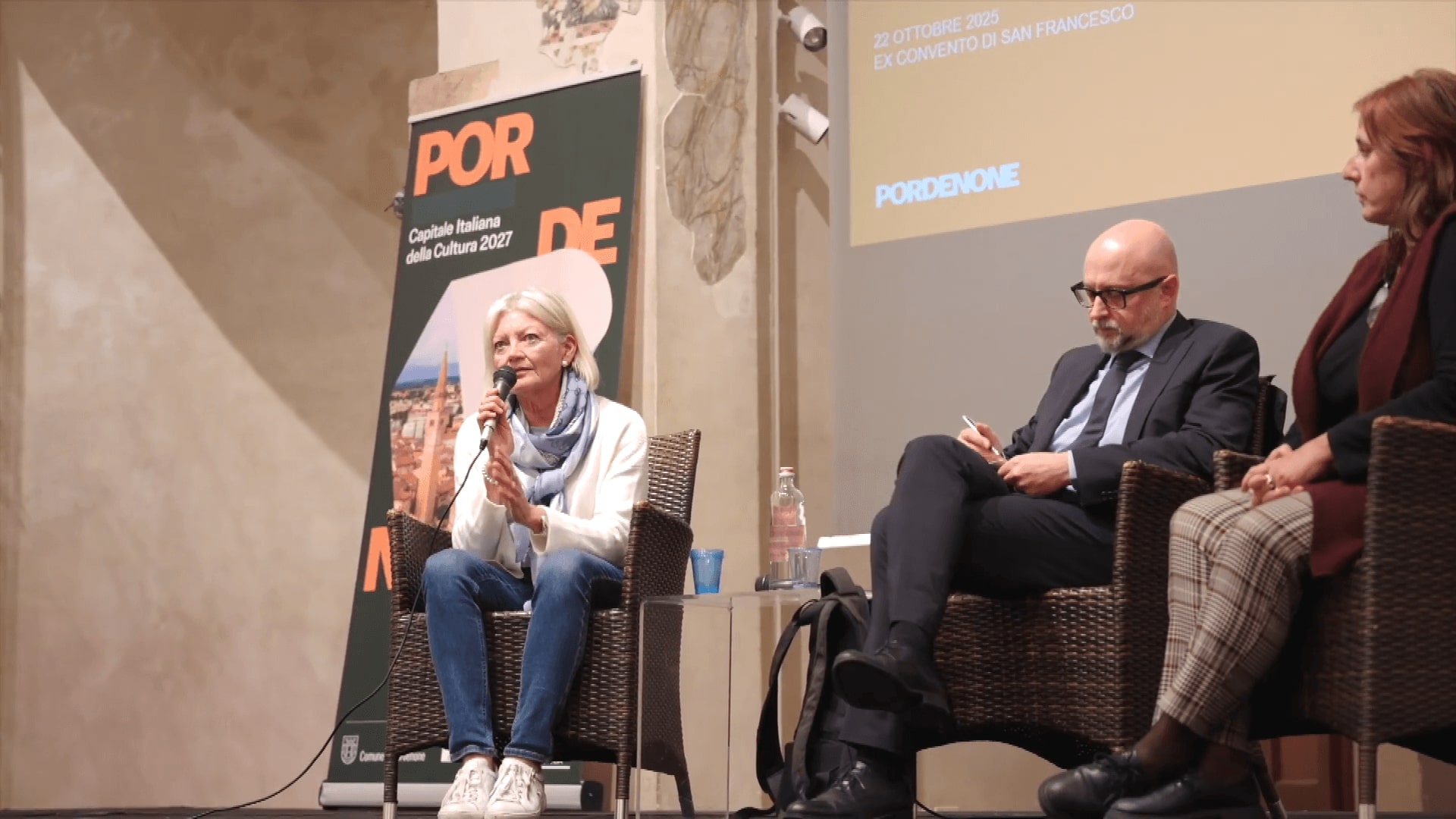
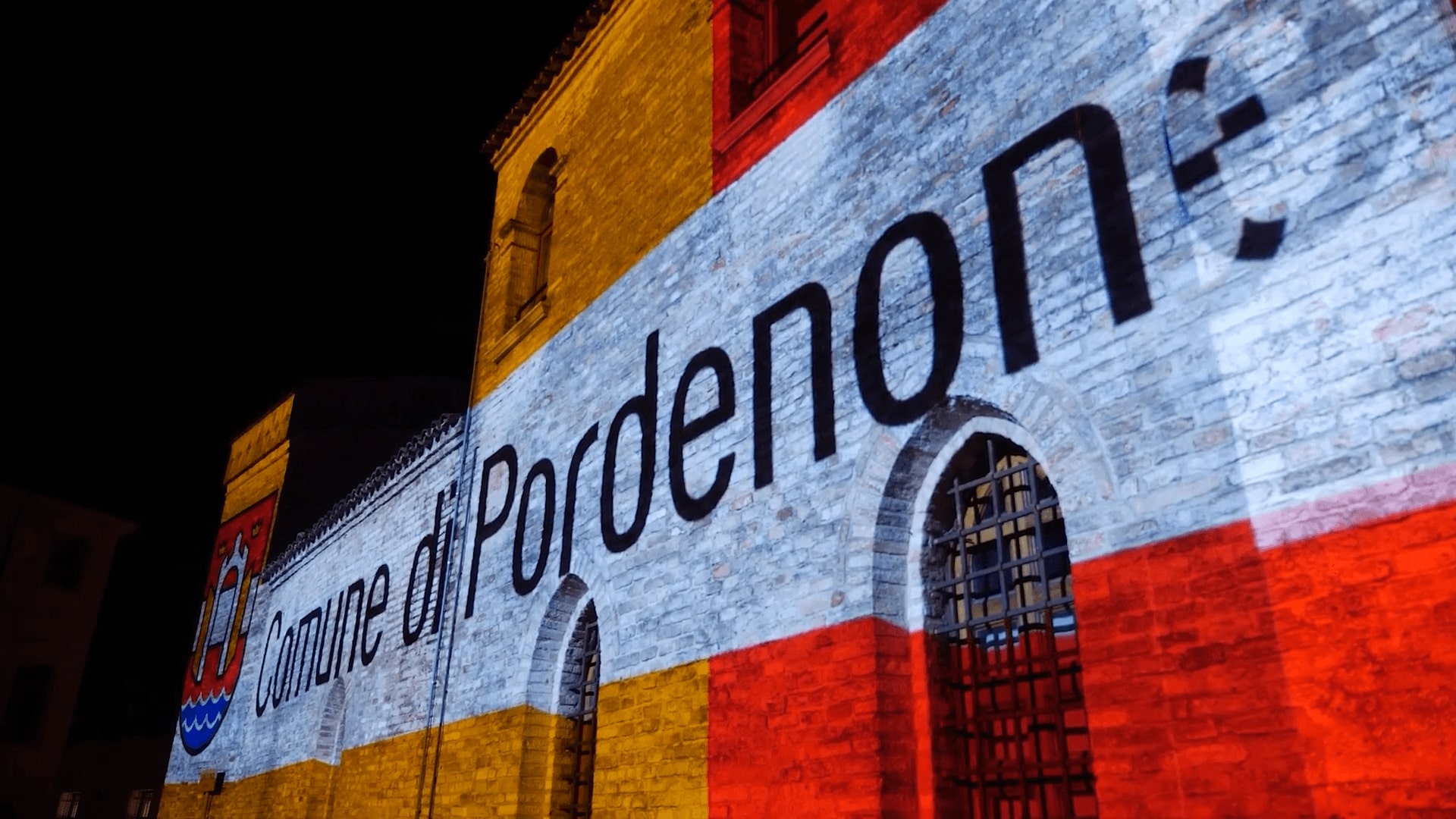
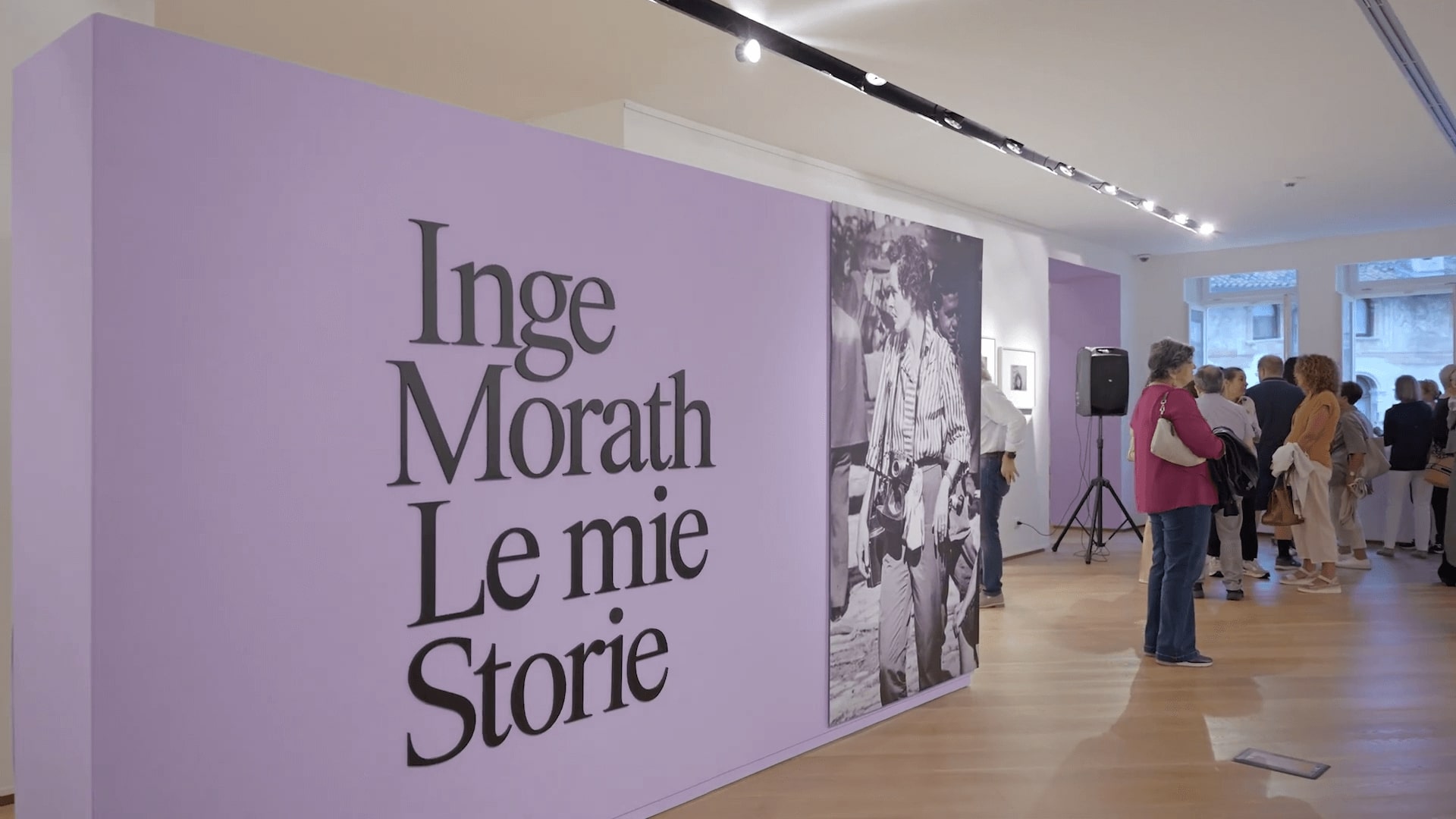
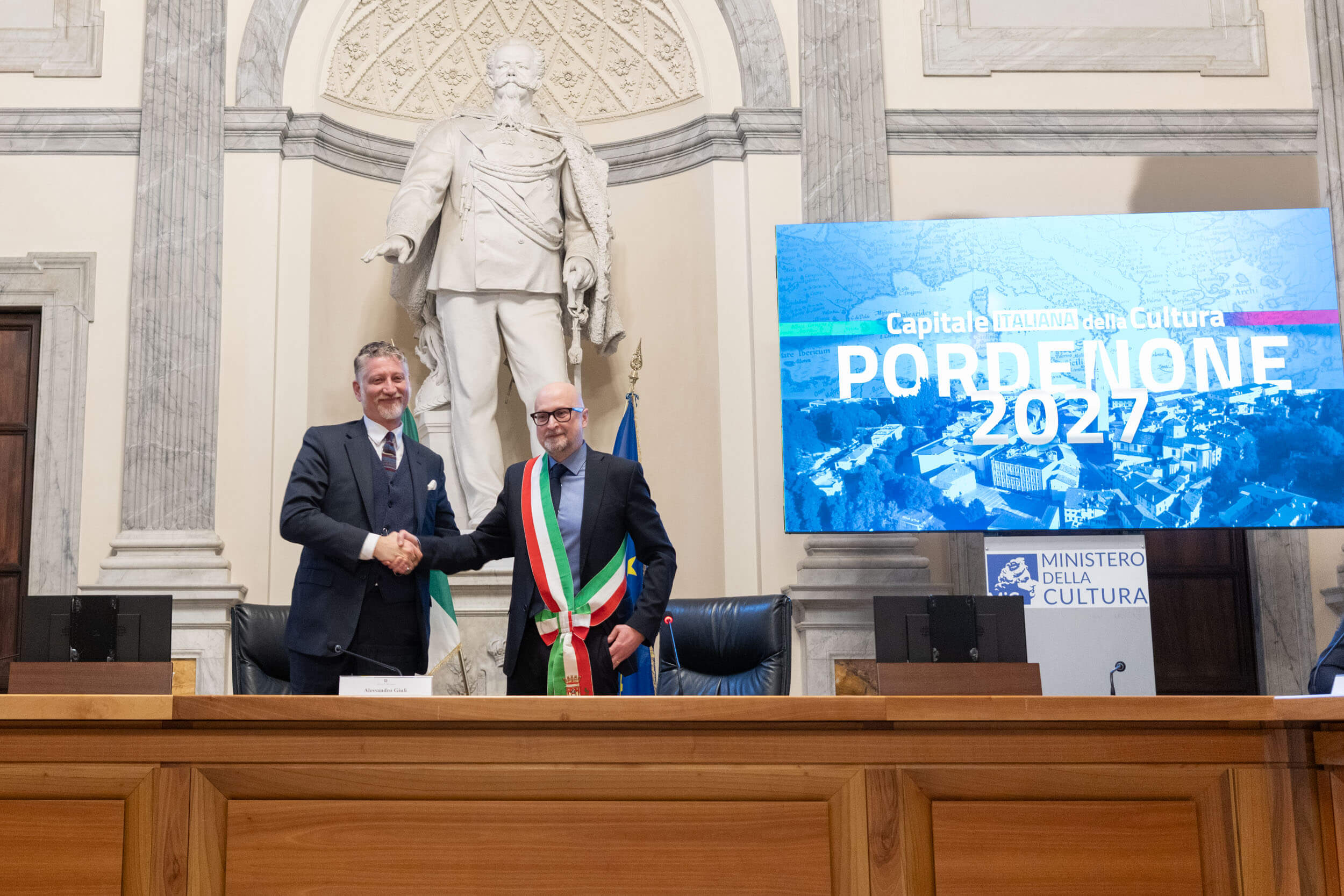
But Pordenone’s true character lies in its cultural energy: in 2027, the whole city will become a stage for a transformation that brings together beauty, culture and everyday life in one authentic experience.
Places to experience
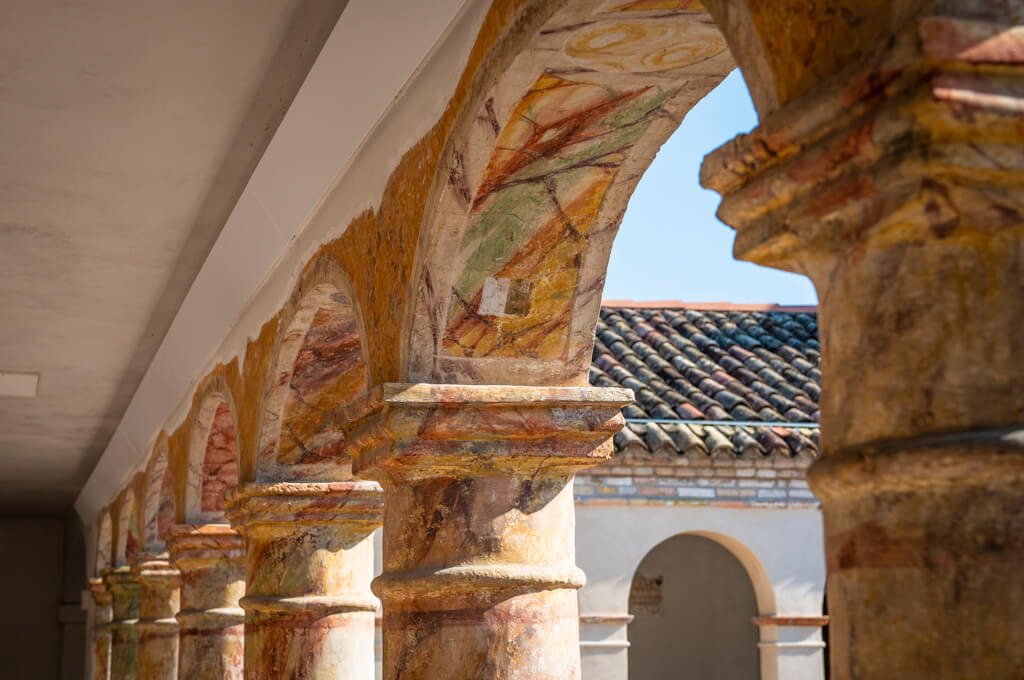
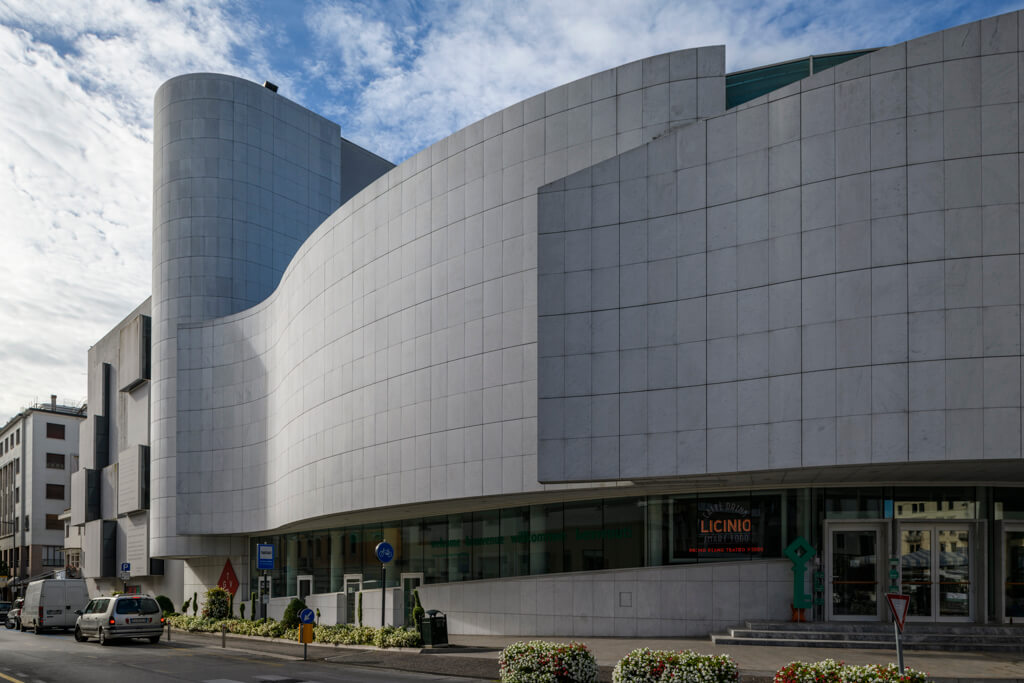
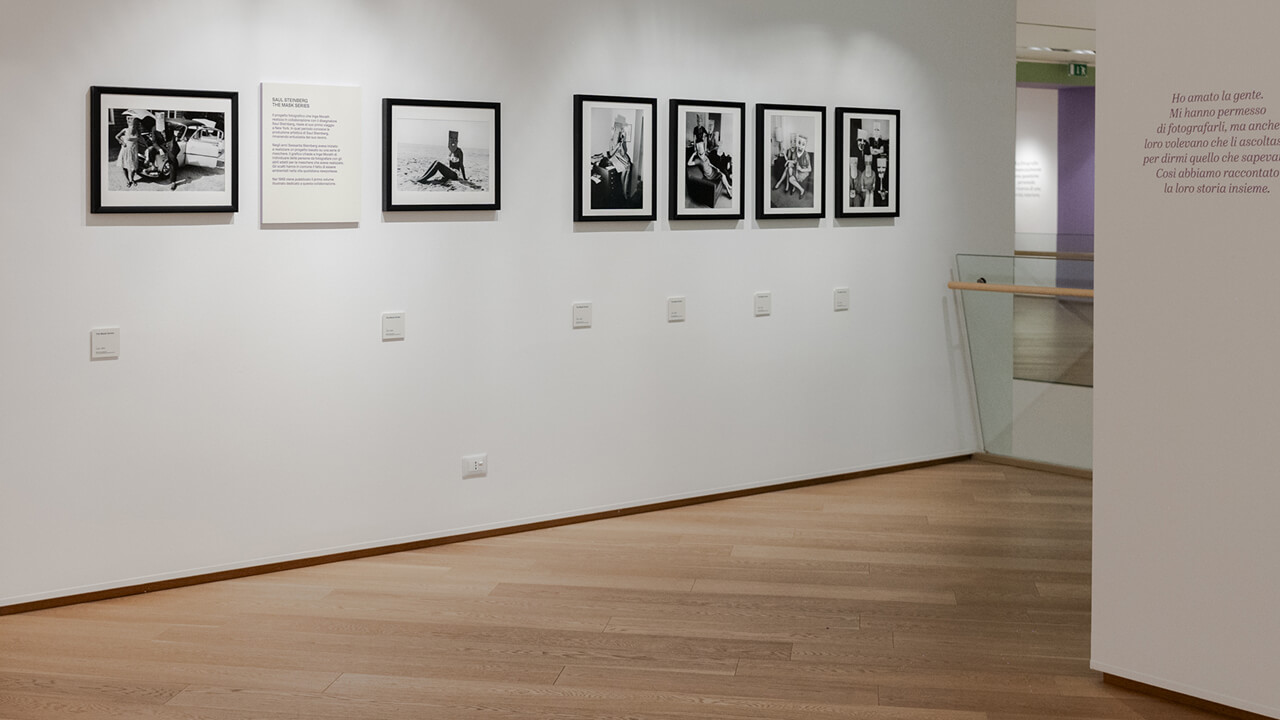
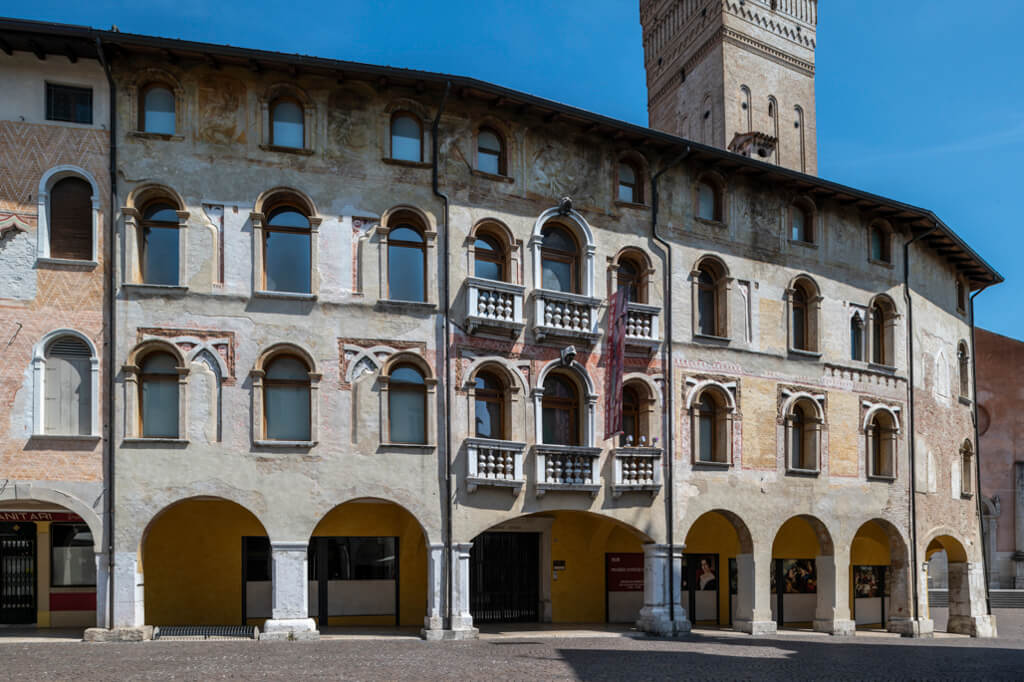
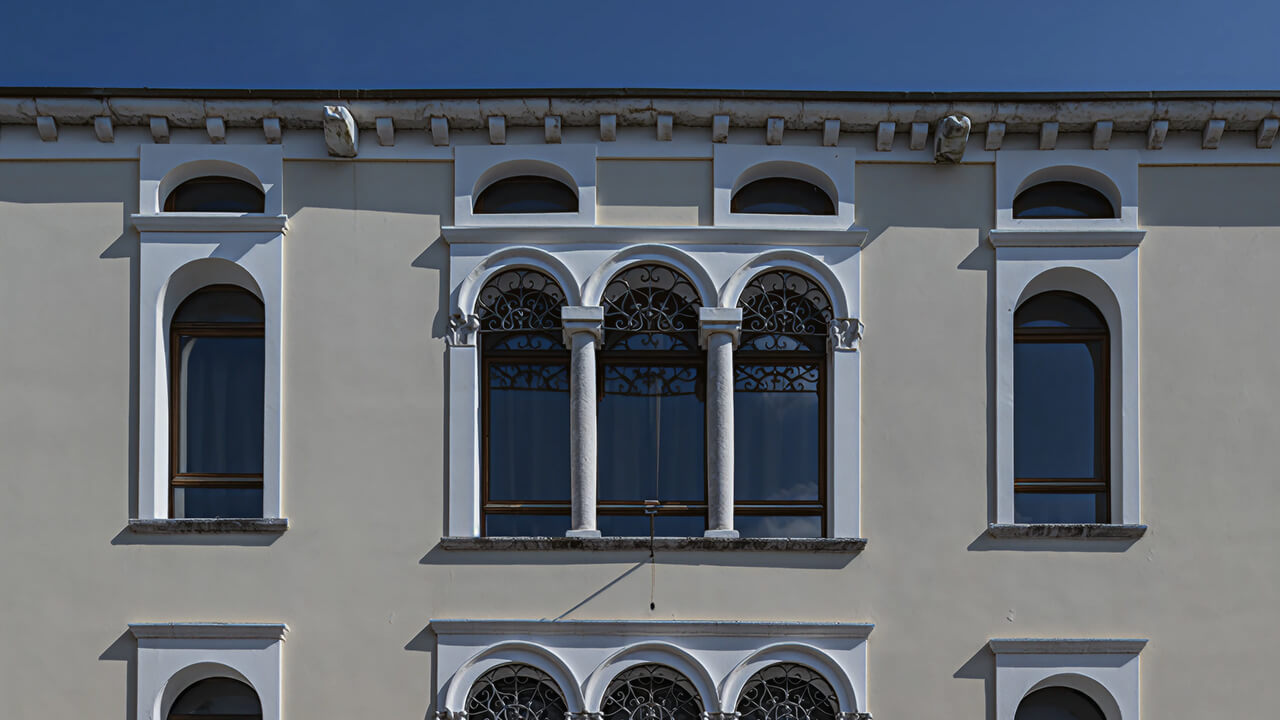
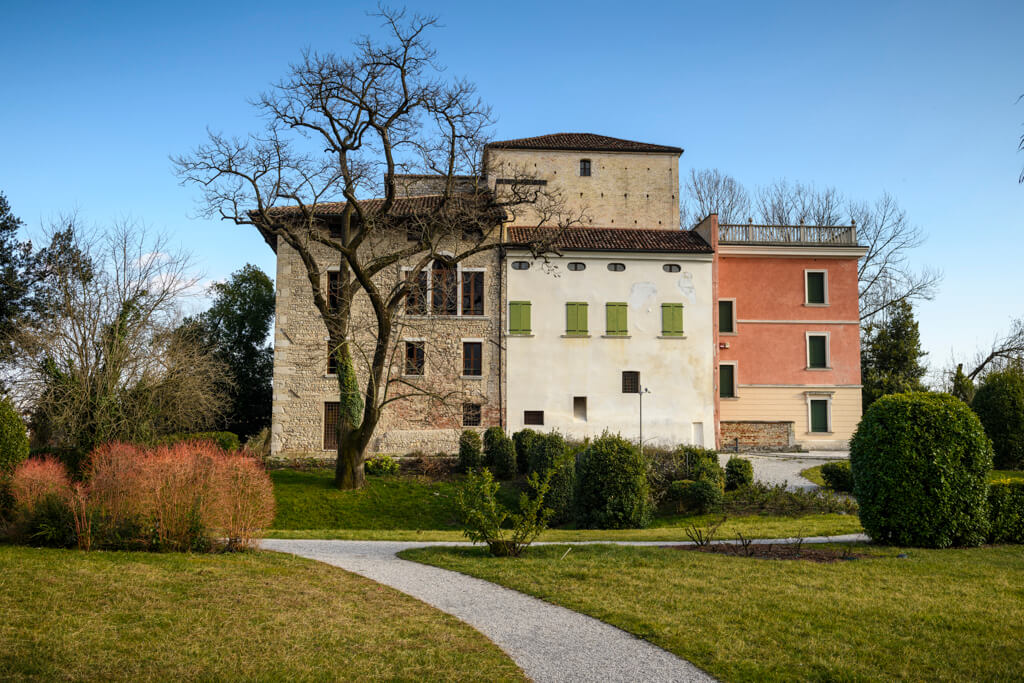
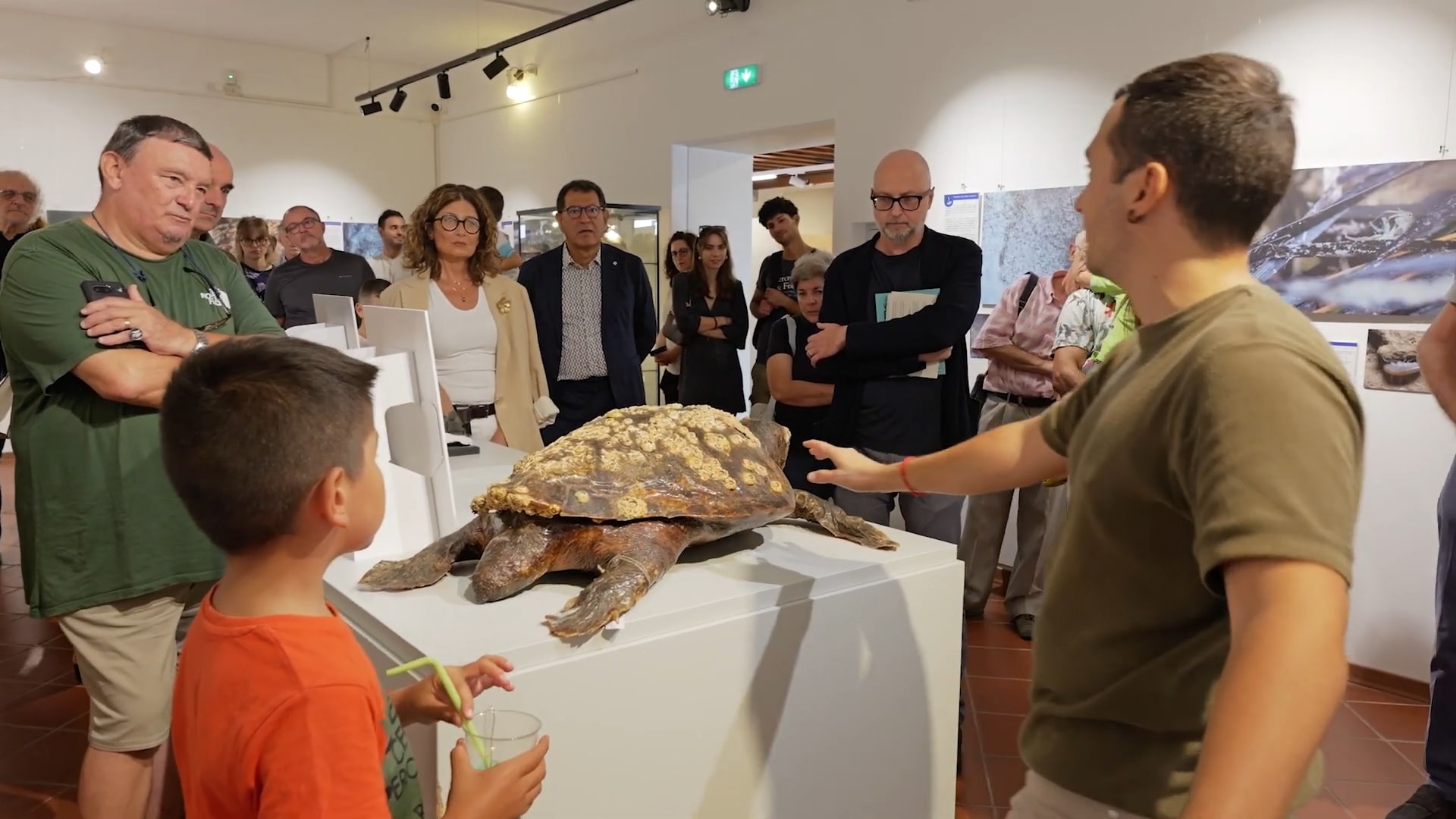
“Silvia Zenari” Natural History Museum – Palazzo Amalteo-Pischiutta
Piazza della Motta, 16
Immerse yourself in the city
Immerse yourself in the city


How to reach us

By plane
Pordenone is easily accessible from three international airports in the north-east of Italy: Treviso Antonio Canova Airport, Venice Marco Polo Airport and Trieste Airport in Ronchi dei Legionari.
From Treviso Antonio Canova Airport, passengers can reach Treviso railway station by bus and then continue by train to Pordenone.
From Venice Marco Polo Airport, the ATVO Pordenone Express provides a direct daily service to Pordenone. Alternatively, passengers can travel to Venice Mestre railway station by bus and continue by train to Pordenone.
Trieste Airport is connected to the regional railway and public transport network. From the airport, Pordenone can be reached by regional train services, with a change where required depending on the service chosen. The city can also be reached by car via the motorway network.

By train
Pordenone is located on the Venice–Udine railway line and is served by frequent regional and long-distance trains connecting it with the main cities of north-eastern Italy, including Venice, Treviso, Conegliano and Udine, as well as Gorizia and other major destinations in Friuli Venezia Giulia.
The railway station is also served by Italo and Frecciarossa high-speed trains, with direct connections to major Italian cities including Milan, Rome and Naples, as well as Venice Mestre, Padua, Ferrara, Bologna and Florence along the relevant routes.
Pordenone railway station is approximately a five-minute walk from the historic city centre and is the city’s main interchange between rail services and local public transport.

By bus
Venice Marco Polo Airport is directly connected to Pordenone by the ATVO Pordenone Express service. This connection allows passengers to reach the city without having to change at Venice Mestre.
Within the city and for connections with neighbouring municipalities, public transport is integrated into the TPL FVG network, with Pordenone’s urban services operated by ATAP. Urban bus routes connect the city centre and railway station with the main areas of Pordenone and with the municipalities of Cordenons, Porcia, Roveredo in Piano and San Quirino.
For timetables, routes and service updates, passengers are advised to consult the TPL FVG journey planner.

By car
Pordenone is easily accessible via the motorway network of north-eastern Italy.
From Venice and Milan, take the A4 motorway towards Trieste as far as the Portogruaro exit, then continue on the A28 towards Pordenone–Conegliano, choosing the most convenient exit for your destination in the city.
From Trieste, take the A4 motorway towards Venice as far as Portogruaro, then continue on the A28 towards Pordenone.
From Udine, the motorway route follows the A23 towards Palmanova, then the A4 towards Venice as far as Portogruaro, and finally the A28 towards Pordenone.
For travellers arriving from Austria, the main route is the A23 via Tarvisio and Udine, followed by the A4 and A28 towards Pordenone.
For travellers arriving from Slovenia, Pordenone can be reached via the Trieste route and the Fernetti border crossing, continuing on the A4 motorway towards Venice and then taking the A28 from Portogruaro towards Pordenone.
The A28 directly connects the Portogruaro area with Pordenone and the Conegliano route and is the main motorway access to the city.

By bicycle
Pordenone is part of a network of cycle routes and cycling itineraries that make it possible both to reach the city by bicycle and to explore the surrounding area.
One of the official routes is the Sacile–Pordenone Loop, a route of approximately 33 km connecting the two cities via cycle paths, minor roads and low-traffic sections. To the north, the cycling network also provides access to the foothill area and Montereale Valcellina, connecting with the wider network of cycle routes across Friuli Venezia Giulia.
A bike-sharing service is available in the city, offering both conventional bicycles and e-bikes through a digital system.
During the spring and summer months, the TPL FVG Bicibus service is also available, allowing passengers to transport their own bicycles on dedicated bike trailers. The service is seasonal and operates on specific routes and itineraries, including the Pordenone–Aviano–Piancavallo connection.
Pordenone is therefore an ideal starting point for exploring the surrounding plains, foothills and Friulian Dolomites by bicycle, with routes suitable for different types of cycling and cycle tourism.
Useful information
Discover, explore and experience Pordenone!
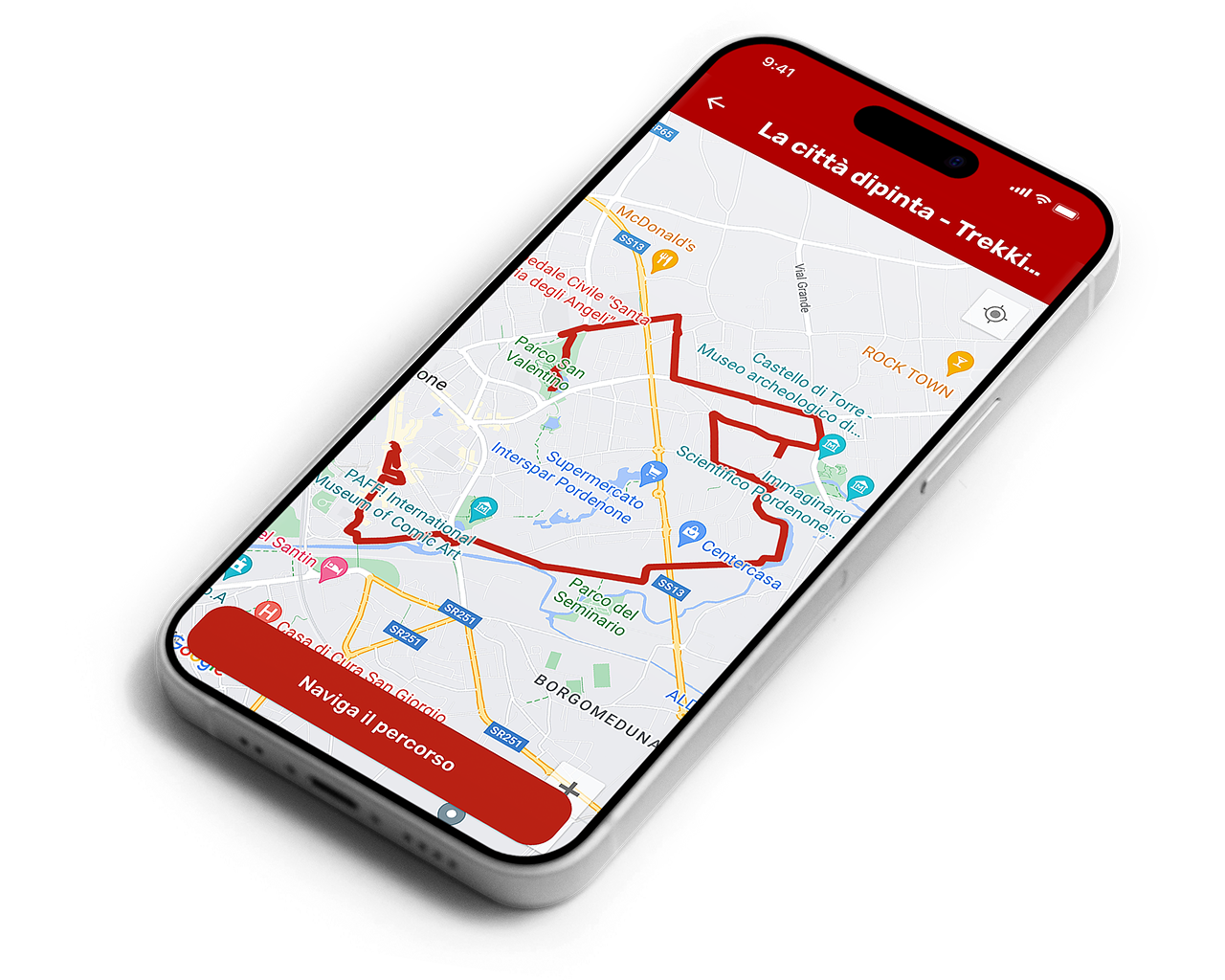
With App Pordenone, the municipality's official app, you'll find everything you need to fully experience the city and all its beauti ful attractions at your fingertips.